Recently, I was dealing with a conflict and the conversation was getting heated, and the person I was speaking with asked, “Hey, would you like take a pause and pray together?”

Normally, I would say yes — let’s just sit here and pray. But this time, something different happened. Their words triggered a physical response inside me. I could feel it in my body — my chest tightening, my breath shortening, my heart racing.
In that moment, I knew the wisest thing I could do wasn’t to stay and pray right there, but to step away and regulate.
I took time to breathe deeply, to pray privately, and to connect with myself and God. I asked myself, What is being triggered? Why am I responding this way?
As I reflected, I also considered where this person might have been coming from — what shaped their words and energy in that moment. That reflection brought understanding, and with understanding came compassion. Compassion for them, yes — but first, compassion for myself.

Stepping away wasn’t avoidance; it was alignment. It was a mindful choice to calm my sympathetic nervous system and return to a grounded place before re-engaging.
I asked myself: Where did this come from? When was the first time I felt this feeling?
Tracing it back helped me realize that my reaction wasn’t just about that moment — it was connected to something older, something unhealed. Once I could see that, I could breathe again, pray again, and return to the conversation with clarity and grace.
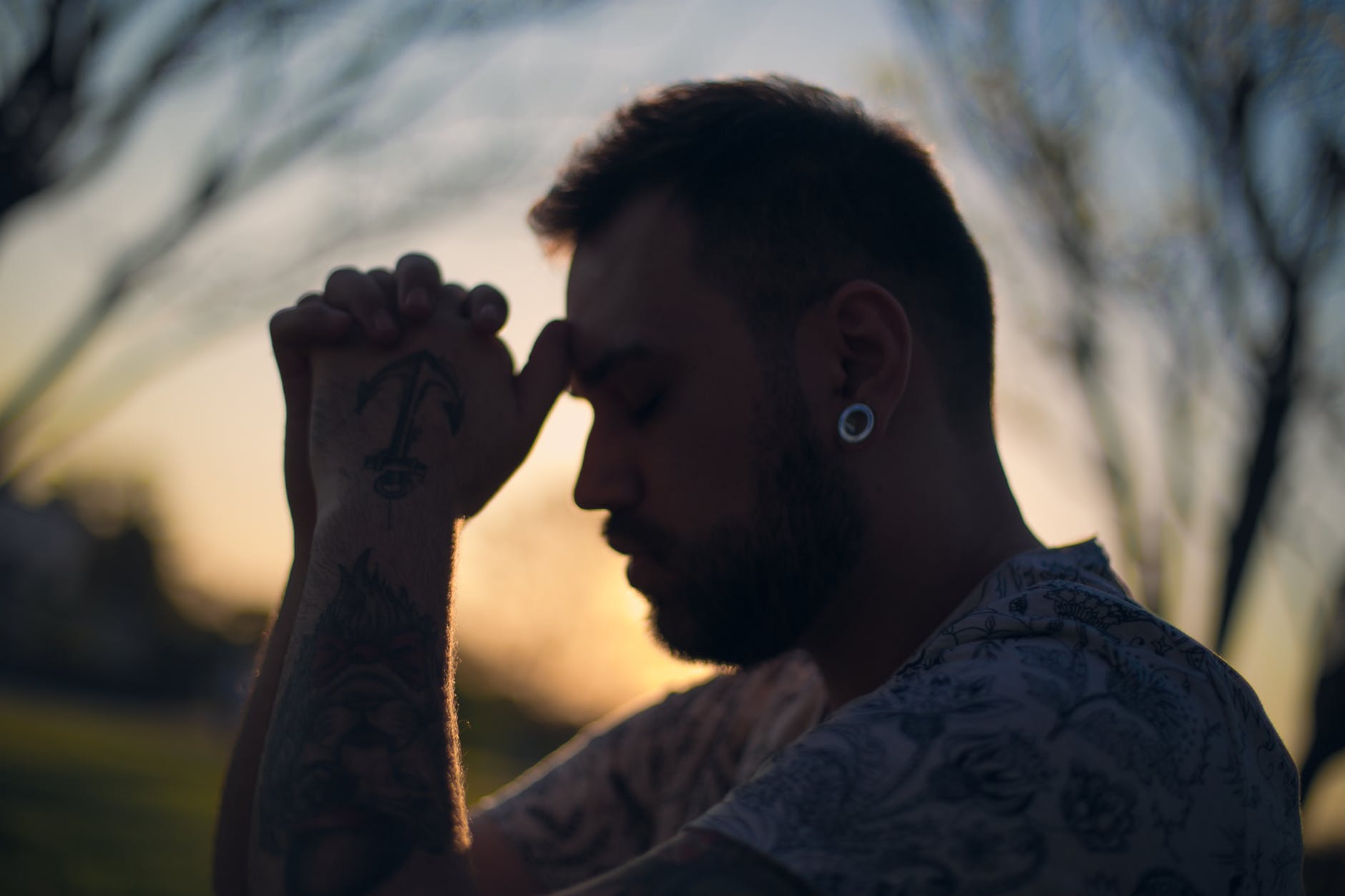
My feelings were still tender, and yes, better dialogue was needed. But the moment revealed something deeper: that our reactions in conflict are not always about the other person. They are signals from within — reminders that emotional and mental rest are inside jobs.
⸻
What Happens in the Body
When we experience emotional hurt, our body reacts as if we’re in physical danger. The brain’s amygdala sounds the alarm, and the fight, flight, or freeze response activates to protect us.
Even though the threat isn’t physical, our body still releases stress hormones and prepares to “survive.” It’s the body’s way of saying, “I don’t feel safe.”
• Fight: We become defensive or controlling, trying to protect ourselves through power.
• Flight: We pull away, avoid, or distract ourselves from emotional pain.
• Freeze: We shut down or go numb, unsure how to move forward.
These responses are natural, but they can quietly block connection and understanding in relationships.
⸻
When Protection Replaces Connection
When your nervous system is activated, your ability to listen, empathize, and stay present shuts down. You move from connection to protection. And when both people do this, the relationship becomes a battlefield instead of a bridge.
But awareness changes everything. When you can pause and recognize, “My body is in survival mode,” you can choose a new path — one that begins with compassion, not defense.
⸻
Returning to Safety and Connection
Here are gentle ways to calm the nervous system and return to emotional safety:
• Breathe slowly. Long exhales signal to your body that you are safe.
• Ground yourself. Feel your feet on the floor, place a hand over your heart, or whisper a prayer.
• Reflect. Ask, “What is this reaction trying to protect?”
• Extend grace. To yourself first, then to the other person.
Healing starts when we remember that we can’t control others — only our own nervous system, breath, and response. From that inner safety, compassion naturally flows outward.

⸻
A Porcelain + Ash Reflection
Sometimes, what looks like conflict is really an invitation to come home to ourselves.
When we pause, breathe, and listen within, we create the space for understanding — with God, with ourselves, and with others.
Because peace doesn’t begin in the conversation; it begins in the nervous system.
And that’s where healing truly takes root.
⸻
Reflection Prompt:
When you feel emotionally triggered, what helps you move from reaction to reflection?


































 Set the Table with Love
Leave a comment