The Benefits of Play, Meditation, and Mindfulness: Cultivating a Balanced and Joyful Life
As adults, we often don’t think much about play, but it’s something we should consider more, especially when dealing with the chaos of life and the internal stress and anxiety that daily living can bring. Let’s explore how play, meditation, and mindfulness can each serve as powerful tools for healing and stress reduction, and how they can work together to enhance our well-being.

In the fast-paced world we live in, stress and anxiety have become almost ubiquitous, leading many to seek refuge in practices that promote mental well-being. Among these, meditation and mindfulness are well-known for their profound effects on the mind and body. However, a growing body of research and experiential evidence suggests that play—when integrated with meditation and mindfulness—can offer unique and powerful benefits. By combining the light-heartedness of play with the introspection of meditation and the awareness of mindfulness, individuals can cultivate a more balanced, joyful, and fulfilling life.

The Power of Play
Play is often associated with childhood, but its importance extends far beyond the playground. As adults, we tend to view play as trivial, reserving it for children or special occasions. Yet, play is an essential aspect of human life that fosters creativity, problem-solving, and emotional resilience. It allows individuals to express themselves freely, explore new ideas, and connect with others in a meaningful way.
Research has shown that engaging in play reduces stress, improves brain function, and boosts creativity. Play also enhances social skills, strengthens relationships, and promotes a sense of belonging. By incorporating play into daily life, adults can tap into these benefits, rediscovering the joy and spontaneity that often fade with age.

Meditation: A Path to Inner Peace
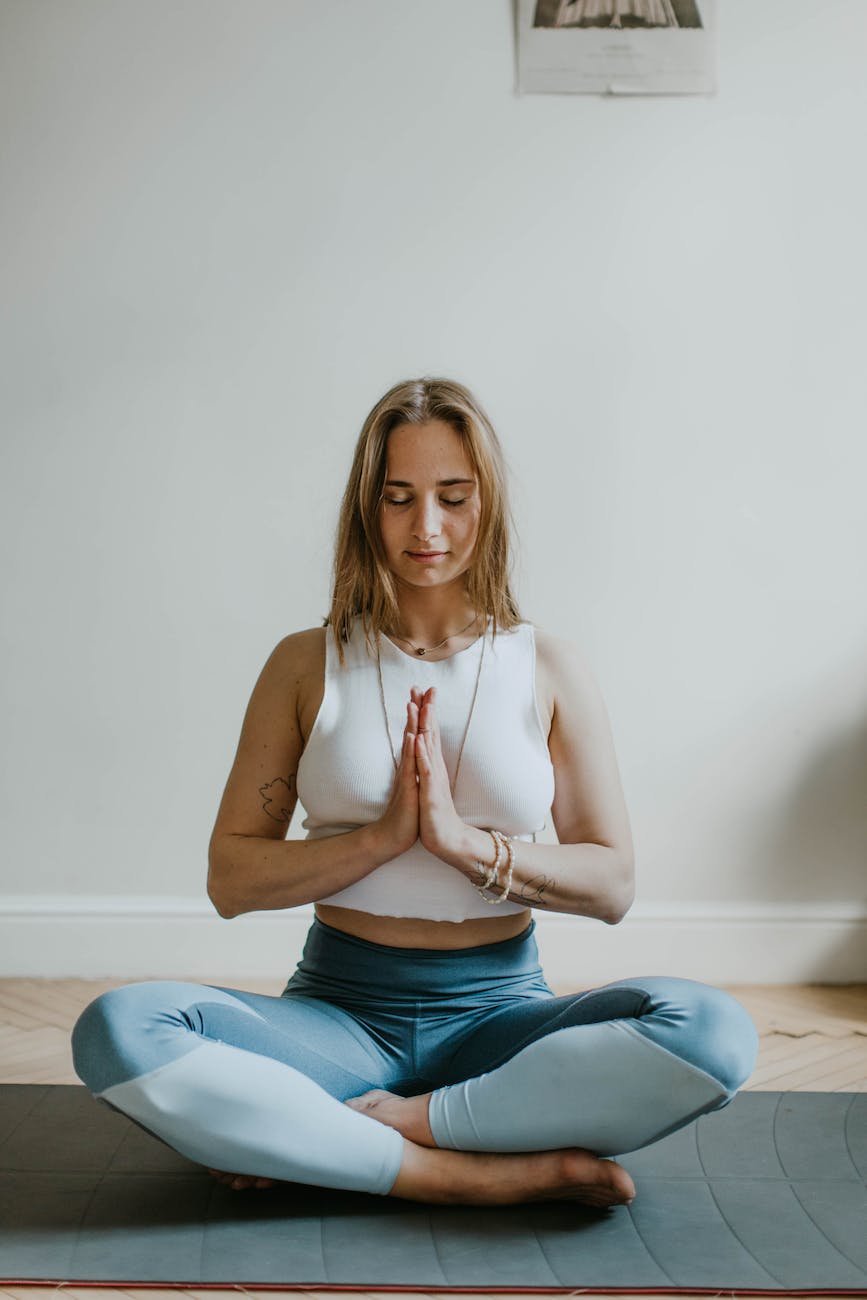
Meditation is a practice that has been around for thousands of years, and its benefits are well-documented. It involves focusing the mind and eliminating distractions to achieve a state of heightened awareness and mental clarity. Regular meditation has been shown to reduce stress, anxiety, and depression, while also improving attention, memory, and emotional regulation.
One of the key benefits of meditation is its ability to cultivate a sense of inner peace. By training the mind to remain calm and centered, individuals can better navigate the challenges of daily life. Meditation also fosters self-awareness, allowing people to observe their thoughts and emotions without judgment. This heightened awareness can lead to greater self-compassion and empathy toward others.
Mindfulness: Living in the Present Moment
Mindfulness is the practice of being fully present in the moment, aware of your thoughts, feelings, and surroundings without judgment. It is closely related to meditation but can be practiced throughout the day in various activities. Whether eating, walking, or working, mindfulness involves paying attention to the present moment with curiosity and acceptance.
The benefits of mindfulness are extensive. Research has shown that practicing mindfulness can reduce stress, improve mental health, and enhance overall well-being. It helps individuals break free from the cycle of rumination and worry, allowing them to experience life more fully. Mindfulness also improves concentration and decision-making by encouraging a clear and focused mind.
The Synergy of Play, Meditation, and Mindfulness
While play, meditation, and mindfulness each offer unique benefits, their combination can create a powerful synergy that enhances overall well-being. Play adds an element of joy and creativity to meditation and mindfulness practices, making them more engaging and enjoyable. This combination allows individuals to explore their inner world with a sense of curiosity and light-heartedness, rather than with rigidity or seriousness.
For instance, mindful play can involve activities such as painting, dancing, or playing a musical instrument, where the focus is on the experience rather than the outcome. Similarly, playful meditation practices, such as laughter meditation or guided visualizations, can make meditation more accessible and enjoyable for those who find traditional meditation challenging.
The integration of play, meditation, and mindfulness also promotes a more balanced approach to life. While meditation and mindfulness encourage stillness and introspection, play adds movement, spontaneity, and social connection. This balance is crucial for mental and emotional well-being, as it allows individuals to navigate the complexities of life with both wisdom and joy.
Practical Tips for Incorporating Play, Meditation, and Mindfulness
1. Set Aside Time for Play: Dedicate at least a few minutes each day to a playful activity that brings you joy, whether it’s drawing, playing a game, or engaging in a sport.
2. Practice Mindful Play: Engage fully in your play activities, paying attention to the sensations, emotions, and thoughts that arise. Let go of any expectations or judgments.
3. Explore Playful Meditation: Try incorporating playful elements into your meditation practice, such as using guided imagery, sound, or movement.
4. Integrate Mindfulness into Daily Life: Practice mindfulness in everyday activities, such as eating, walking, or talking, by bringing your full attention to the present moment.
5. Join a Group or Community: Participate in group activities that combine play, meditation, and mindfulness. This can provide a sense of connection and support.
Conclusion
Incorporating play, meditation, and mindfulness into your life can create a harmonious balance between joy and introspection, leading to greater mental, emotional, and physical well-being. By embracing the benefits of all three, you can cultivate a life that is not only fulfilling and meaningful but also rich with creativity, connection, and inner peace. Whether you are new to these practices or a seasoned practitioner, there is always room to explore and deepen your experience, making each day a little brighter and more joyful.











































 Set the Table with Love
Leave a comment